Blood Cleanup
Blood cleanup on carpet, hard floors, walls and furniture with safe disposal.
See blood cleanupGet blood and potentially infectious material cleaned from a home, rental, vehicle or workplace in Woodlawn. The work can include containment, porous material removal, disinfection and controlled waste packaging.
Bloodborne pathogen cleanup means removing blood and certain body fluids in a controlled way, then disinfecting areas where disease-causing microorganisms may be present.
Viruses classified as bloodborne pathogens include hepatitis B and hepatitis C, along with HIV. Contaminated blood may expose someone by touching broken skin, the eyes, the nose or the mouth. Exposure can also occur through a needlestick or other sharp object that enters the body. Because a stain can continue below the visible surface, the entire affected area is more important than the view from an entrance.
During professional cleanup and biohazard remediation, clean spaces are kept apart from the work zone. Technicians use personal protective equipment and other protective gear chosen for the particular task. They take out absorbent items that cannot be completely disinfected, remove soil from hard surfaces and keep an EPA-registered disinfectant on those surfaces for its labeled contact time. Waste containing contamination is packaged and disposed of according to the rules in effect at the property's location.
Daytime and nighttime calls are answered, with workers arriving in unmarked vehicles. You can explain the situation privately and limit attention around a home, workplace or rental.
Once cleanup ends, you can move forward with workplace management, the building owner or insurance company using photographs, work notes and waste documents that record the affected area.
You can ask which surfaces can be disinfected, which materials may need removal and what changes the cost before cleanup begins.
Personal items are assessed by material and level of contact. Whenever circumstances permit, the decision to remove an uncleanable item can be discussed with you first.
Bloodborne pathogen cleaning services are appropriate when blood or potentially infectious hazardous materials extend beyond a small, controlled spot on a hard surface. Every situation is different, but this cleaning service addresses several common needs:
An accident may leave blood on different materials and in multiple rooms. People can transfer contamination beyond the original area by walking or carrying impacted belongings, so both actions should be avoided.
Dried blood can be discovered after a move-out or event by a tenant, landlord or property manager. Access should be limited so contamination is not tracked into surrounding areas while the affected rooms, surfaces and disposal needs are assessed.
An injury in an office, store, warehouse or job site can create an exposure area. Following emergency response, leave the space restricted while workers take out the blood and contaminated materials and complete disinfection of hard surfaces.
Contaminated glass fragments, needles and lancets can pierce the skin. Never lift these objects with your hands or put them into a domestic trash bag that someone could be hurt by later.
First, keep people from making contact and do not allow the spill to spread. When law enforcement is part of the response, stay out until officials release the area. The following steps help protect you while leaving a clear view of the cleanup needs:
Call (888) 440-9227Bloodborne pathogen cleanup does not have its own published range. In the most closely related blood cleanup guides, minor work appears from $500 to $2,500 and small cleanup from $1,500 to $3,000 as reference ranges. The broader spans are $300 to $4,000; another runs from $500 to $5,000. These figures do not set the cost for your property. Affected materials and area size shape the actual scope.
These ranges come from published national cost guides, not from a site visit. The price for your property is set after the on-site assessment, and you hear it before work starts.
Ask about cost: (888) 440-9227Payment is determined by where the event occurred, who owns and controls the property, and the terms governing the relevant lease, workplace plan or insurance policy. Each insurance company decides whether the individual policy covers the work.
A work-related event should be reported to the manager in charge of the exposure plan. The relevant terms allow the workplace, property management and insurer to establish approval, recordkeeping and financial responsibility.
Your insurance assistance discussion begins with understandable documentation. Find out which photos, inventories, work notes and waste documents your adjuster requires. Retain claim communications and wait for disposal guidance about covered items whenever doing so can be done safely.
Cleanup connected with a sudden covered incident may qualify under some home or rental insurance policies. When reporting the event, ask the insurance company directly about biohazard cleanup, then retain the claim identifier and required documents.
Who is responsible may vary based on local requirements, lease terms and why the contamination occurred. The landlord and tenant need to record the affected area and talk through cleaning before moving contaminated materials.
Bloodborne pathogen cleanup follows an ordered path: control the exposure, remove affected material, clean, disinfect and verify the result. The exact steps respond to the nature of the spill, the surfaces it touched and any hazardous waste that has to be taken from the property.
Workers check which rooms and materials are affected, where contamination may have traveled and whether sharps are present. The crew notes observable conditions and explains which items may be cleaned and which may need removal.
The cleanup zone is isolated from unaffected rooms. Workers limit entry, choose protective equipment suited to the job and establish one controlled course for moving tools and discarded material.
If blood penetrates farther than surfaces can be cleaned, affected carpet padding, bare wood, wallboard, insulation or furniture filling may require removal. Removed pieces are packaged inside the work zone.
Before disinfection, hard sealed surfaces are cleaned of visible soil. Removing organic matter is necessary so the disinfectant contacts the actual surface instead of resting above the soil.
Cleanable surfaces receive an EPA-registered product selected to address the target organisms. Workers keep the surface wet throughout the entire labeled contact period.
Contaminated disposables, absorbent materials and sharps are separated into appropriate containers. Once packaged, the waste is moved and treated according to relevant medical waste requirements.
The crew examines the cleaned zone, including boundaries and obscured transitions, and creates a record of the completed work. Repairs that remain are identified separately from biohazard cleaning.
Once cleaning is complete, removed carpet, drywall, baseboards or other finishes can be replaced. You can plan separate restoration services with the person overseeing the property or a contractor once biohazard cleanup is finished.

Call any hour. A specialist in bloodborne pathogen cleanup takes your call, explains each step and agrees on a start time with you.
Serious health risks can result if infectious material in blood enters a cut, contacts a mucous membrane or causes a puncture. This remains true after a stain appears dry.
A sharp fragment or needle may pierce your skin, allowing direct exposure. Sharps need rigid, puncture-resistant containment rather than a soft household trash bag.
Hepatitis B, hepatitis C and HIV are bloodborne viruses. According to the CDC, surface contamination with hepatitis B may remain viable for at least seven days, so dry blood still requires potentially infectious material precautions.
A medical emergency or injury can cause emotional strain for you and your loved ones. While you focus on the urgent needs of those affected, you can avoid close stain inspection and sorting belongings with contamination.
Can you clean it yourself? A few fresh drops on a smooth, non-porous household surface may be manageable if you can avoid direct contact and follow the disinfectant label. Call for help when blood reaches carpet, upholstery, unfinished wood, drywall or a ventilation opening, when sharps are present, or when you cannot identify the spill boundary.
Part of a day may be enough for a surface spill that stays contained. Blood reaching porous materials or more than one room can extend cleanup to one or more workdays, followed by a separate period for repairs.
| Scene | Typical time on site |
|---|---|
| Minor spill confined to hard surfaces you can reach | Often completed within one workday |
| Limited removal of porous surfaces from one room | Often one to two workdays |
| Several areas or hidden material removal | Multiple workdays of cleanup may be followed by repair work |
Odor removal begins by finding and removing contaminated material. Fragrance or surface spray cannot correct blood that remains in carpet padding, unfinished wood, wall cavities or furniture filling. Those materials must be exposed, evaluated and cleaned or removed at the source.
To keep dust and particles released by material removal from entering clean rooms, air movement is carefully managed. HEPA-filtered equipment may be part of the work. Nearby vents also receive attention if contamination may have reached them. The space is inspected after cleaning and source removal, before regular use begins again.
OSHA standard 29 CFR 1910.1030 sets workplace requirements for exposure control plans, training, protective equipment and other safeguards when employees may have occupational exposure to blood.
The product selected for bloodborne pathogen disinfection should have EPA registration for that purpose. Wetness must be maintained for all of the labeled contact time.
Alabama treats soaked materials from a biohazard scene as medical waste when they are saturated to the point of dripping blood. The Alabama Department of Environmental Management's rules control packing, transport and treatment, so it cannot go in household trash.
Alabama uses a county coroner system, with no statewide medical examiner, and the Alabama Department of Forensic Sciences performs autopsies and supports death investigations for coroners. Cleanup starts after police or the coroner release the scene.
The full bloodborne pathogen cleanup guide covers what is cleaned or removed, odor and air quality work, and the rules that apply in your state.
Read the full bloodborne pathogen cleanup guide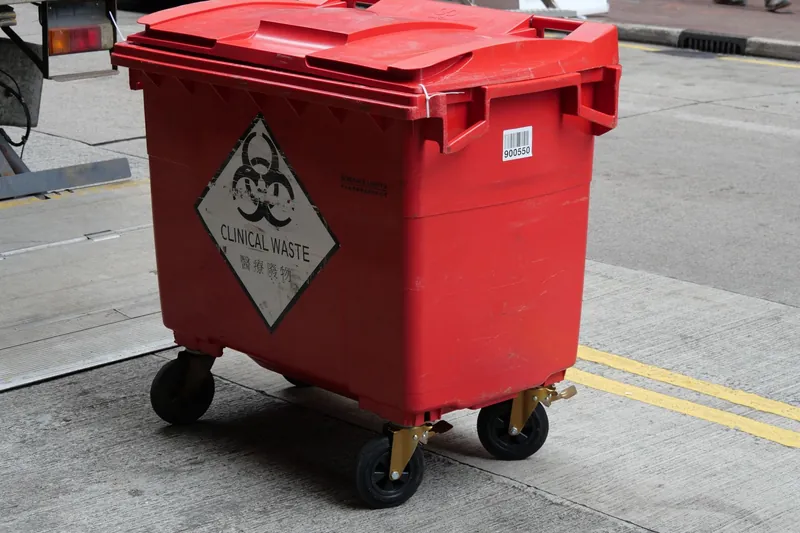
Containment, entry and cleanup plans can be influenced by local housing, population and access details.
A listed distance of 3.7 miles to University of Alabama Hospital gives a practical medical reference when someone has contacted blood or waste.
With Marks Village, Avondale, and Crestline Gardens close by, accurate street and unit details help avoid confusion during a sensitive response.
Because this is a neighborhood within Birmingham, cleanup access may depend on local parking, common entrances, or building management rules.
Ask on the call about cleanup options for neighboring communities and ZIP codes.
Blood cleanup on carpet, hard floors, walls and furniture with safe disposal.
See blood cleanup
Large or small, every fresh or dried blood spill is covered by blood spill cleanup.
See blood spill cleanup
Homes, care environments and businesses receive bodily fluid cleanup and disinfection.
See bodily fluid cleanup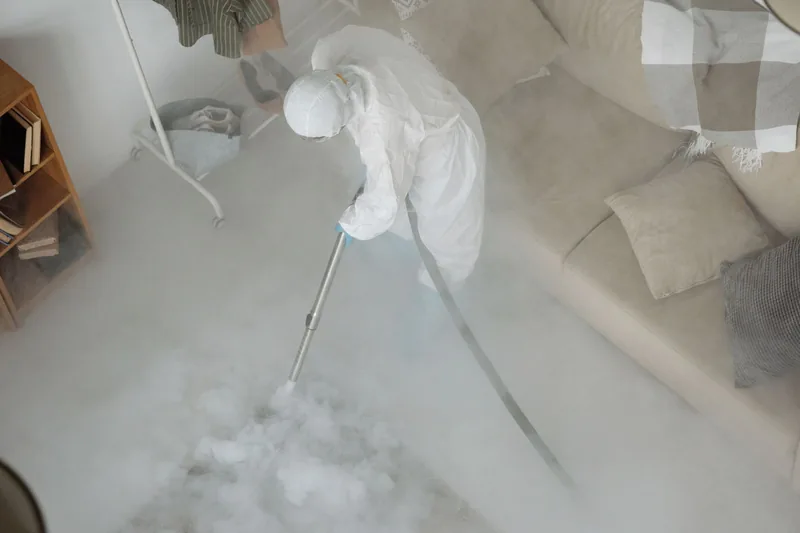
Full decontamination of rooms, surfaces and air after infectious or hazardous exposure.
See biohazard decontamination
Biohazard waste is collected in labeled, sealed containers and taken for disposal.
See biohazard waste disposal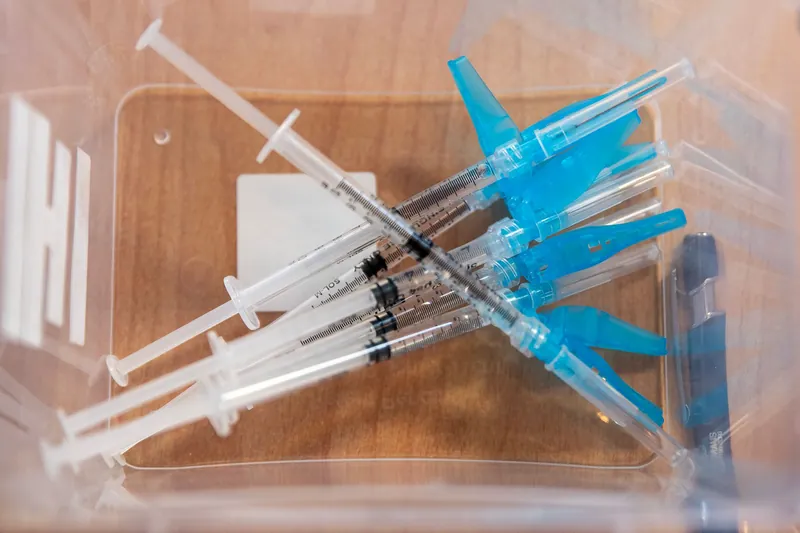
Needles and other sharps are removed from rentals, yards, encampments and parks.
See needle and sharps cleanup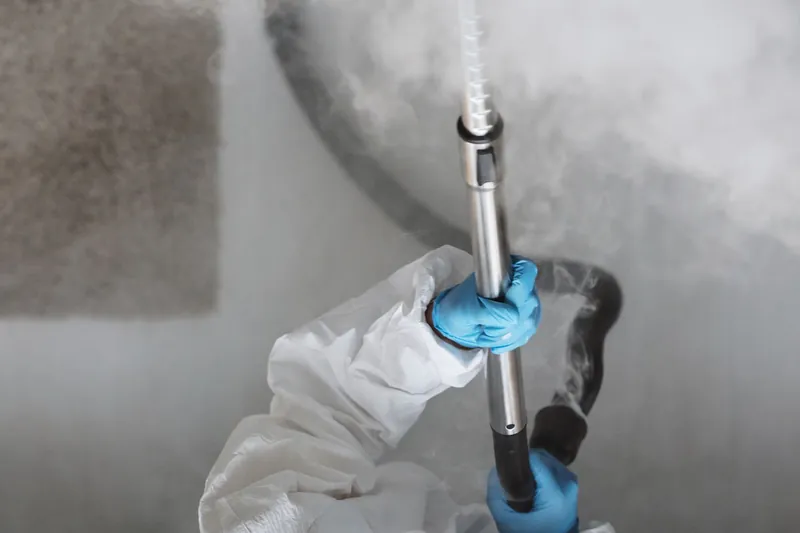
Disinfection for infectious disease uses EPA-registered products with complete coverage of surfaces.
See infectious disease disinfection
After exposure or injury, workplace biohazard cleanup covers offices and other work sites.
See office and workplace biohazard cleanupStep back from the blood and follow the proper procedure for an exposure. When the event is workplace-related, use the employer's exposure control process for reporting. Consult a medical professional if blood reached injured skin or your mouth, nose or eyes, or if a needlestick occurred. Cleaning the space is not a substitute for being medically evaluated.
The policy terms and cause of the event determine coverage. Some homeowners or renters policies may cover biohazard cleanup tied to a sudden covered loss. Report the event, ask specifically about blood or biohazard cleanup, record the claim number and ask which photos, item lists and disposal records the adjuster wants.
Dried blood should still be treated as potentially infectious. According to the CDC, surface contamination with hepatitis B remains viable for at least seven days. Do not check dryness by contact or use a broom or vacuum on material that could move contamination airborne or into adjacent rooms.
When contamination is small and stays on reachable non-porous surfaces, the work may be completed within one workday. Blood inside upholstered items, carpet padding, walls or more than one room can extend the duration of a larger cleanup. Separate time is needed to restore trim, wall material or floors after the cleaning and disinfection work is complete.
OSHA standard 29 CFR 1910.1030 requires employers to follow safeguards when workers may encounter blood on the job. Requirements address protective equipment, worker training and a plan for controlling exposure, among other matters. The circumstances and the employer's safe cleaning arrangements determine whether an outside cleanup company is needed.
Cleaning and disinfecting blood or specific body fluids that could carry infectious microorganisms under controlled conditions is bloodborne pathogen cleanup. It includes limiting access, using suitable protective equipment, removing material that cannot be disinfected, treating reachable hard surfaces with an EPA-registered disinfectant and packaging contaminated waste under applicable rules.
Respectful, discreet bloodborne pathogen cleanup is available 24 hours a day, and crews arrive in unmarked vehicles.